


Intro0:00
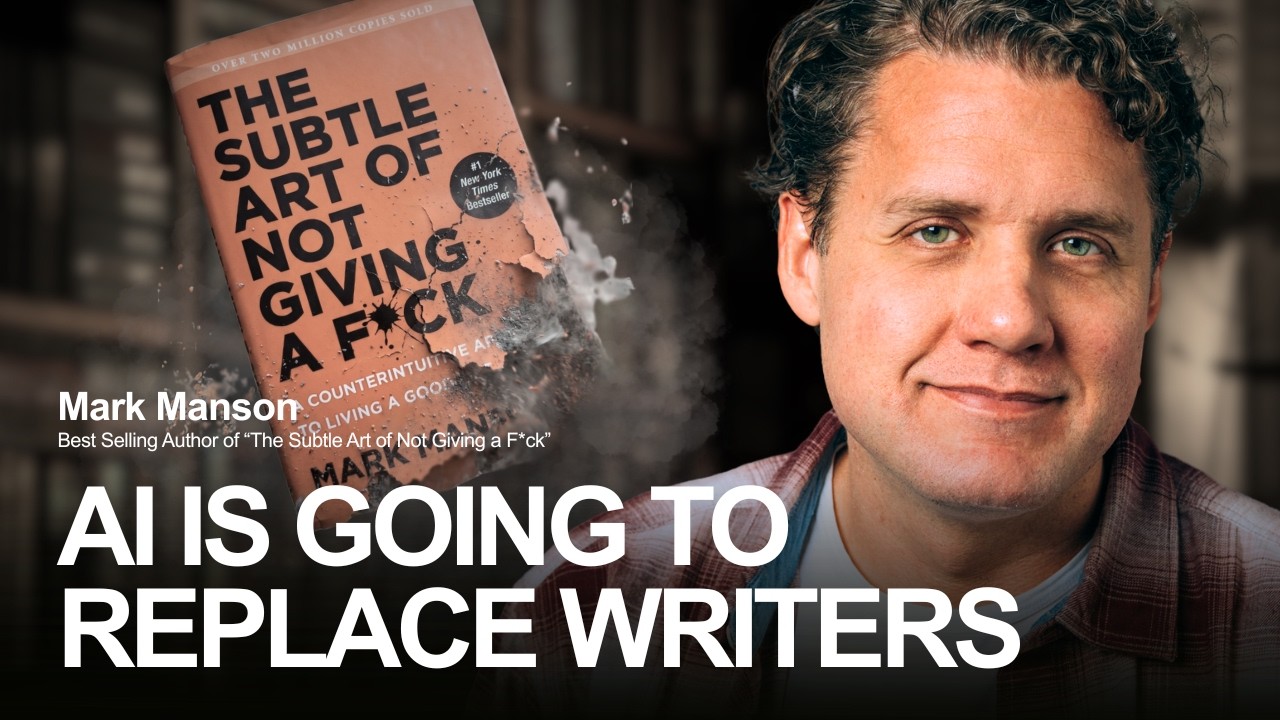
Feastables is the main reason why MrBeast's net worth is actually what it is: it's making so much money. You just need one viral video, really, to suddenly become a creator and be able to start building a career out of it.
People also started realizing follower count is not as important, especially with TikTok potentially, you know, disappearing. It's not just about going viral, but it's about sustainable audience relationships. Being able to sell to your audience means that you can actually build a massive company and brand out of it.
My parents were always very frugal,right, so I wanted to figure out how to make money, to buy things. During the TF Fellowship, I was couch surfing, I was posting referral codes on websites, so my cost of living was extremely low.
I was funneling every dollar into, like, the company itself. So we're creating infrastructure to help creators monetize their brand. Our creators have made millions of dollars per year, which has been life-changing for them.
Do you think now is still a good time to become a creator?
I think it's easier than before. I think AI is extremely good at figuring out what's a good hook and what's a good storyline. The hard part: you really need to be consistent. You need to do, like, 20 videos a day if you want to go viral.
The problem I see with creators is that—
Lucy, welcome to the podcast show. Great to have you here.
Great to have you too. Thanks for having me.
It's been a while. We've been on touch on, you know, email for some time now, but my first question is: so every time I get back from work, which is like 10, 11 o'clock at night, I spend 5 minutes just scrolling through Instagram, and Lucy keeps popping up in Barry's.
What is the obsession with Barry's?
Yeah, so Barry's for me is my version of meditation. It's really the only time my mind really completely shuts off, and I think it's because I'm so focused on the workout. I think as a founder, no matter how much effort you put into certain things, like sometimes you don't know when you're going to solve the problem,right?
And working out keeps you sane because it is something where, like, as you consistently put in effort, you will see improvement over time. So I like that personally. I think it's really good for my mental health, and I just think it's really fun.
It's a really great way to start the day. It keeps me in a routine. Like, I think I'm a pretty disciplined person. Like, no matter how bad I'm feeling that day, I will, like, wake up early and hit Barry's and get my day started because I know that I'll feel better after.
And it's like an extra cup of coffee for me in the day.
Awesome. And for comparison, and for those who don't know what Barry's is, it's basically like an intense, like, fitness bootcamp ride slash gym. And, you know, you say discipline. I think I saw you flew from London to LA last night.
You have a broken toe, and you still went this morning.
Basically, yeah. No, it's funny because I've actually, like, I've had broken wrists, I've had broken ankles, and I still will hit Barry's and I'll just modify the workout so I'm not injuring whatever body part is injured. So like, when I had a broken wrist, for example, I was still doing push-ups.
I was doing it with my fists like this so that, you know, my wrists weren't bending in a weird way.
Crazy. But, you know, this is the founder lifestyle,right? We've got to hustle and stay disciplined. But you've always been, like, a, you know, you've been a founder and a hustler really, like, since the early stages. So for anyone who doesn't know Lucy, take us back to, you know, when you were in kindergarten.
Founder Origins3:05
I think you were even then, you know, starting ideas and startups. Who is Lucy back then? And, you know, take us through that journey.
Yeah, I think Lucy has always been a little bit of a troublemaker. I really, my parents were always very frugal,right? So I wanted to figure out how to make money, to buy things that they wouldn't let me have.
This could be anything from, like, skateboards. I remember I bought a ripstick to, like, Legos, etc. So Lucy back then in kindergarten, I was essentially, like, selling colored pencils, Pokémon cards, etc. on the playground to make money. And then as I grew older, I wanted a pet.
My parents didn't let me have a pet, so I discovered this wonderful site called Neopets. And then I started going on online forums and seeing people sell pets for a lot of money. Like, some pets were going for thousands of dollars.
So I started digging more into the internet, and I started learning how to essentially, like, you know, create bots to cheat on Neopets and get better pets, get better items, Neo Points, etc. And I would, you know, sell it, and with these dollars earned, I'd either go buy myself something cool, like a skateboard, or I would buy myself a cool pet that I wasn't able to, like, hack per se.
So yeah, I just, like, you know, got addicted to that feeling of entrepreneurship, I think, and, like, being able to make money from nothing. I started building more random websites along the way from, like, my own virtual pet site to, like, arcade game websites, internet marketing tools, etc.
That's crazy. Neopets, these are like virtual pets.
Yeah, they're virtual pets. I actually think a lot of people learned to, like, you know, do some basic coding through Neopets and MySpace, in my generation at least.
Wow. Do you know what? I came across this old-school company a couple of weeks ago called QQPets. It was part of Tencent. Similar idea, they were doing, you know, kind of these virtual pets. 2006, in their first year, they had a million users.
This is just in China. And a year later, they had something like 180 million users. Crazy,right?
Oh, I believe that. Yeah. Now there's so many versions of, like, these different virtual pets. Like, even Tamagotchis,right? Like, I was obsessed with Tamagotchis, but a lot of people also have them because I assume it's the same situation as me.
They wanted a pet, they weren't allowed to have a pet, so this was the closest thing to, like, a live pet they could get.
Damn. Okay, so you went from virtual pets to becoming a Thiel Fellow to then, you know, co-founding Scale AI. What was that kind of transition, and how did that all come about?
Yeah, so I would say when I entered college, I started going to hackathons. At hackathons, I realized there was more to the world than, like, building internet marketing tools,right? I started to, like, have this more startup mentality because one of the judgment criteria to, like, win a prize was, like, how likely is this to be, like, a very viable business?
And I started thinking, I think, larger. Obviously, like, you know, there were these tech companies that had come to these hackathons to recruit engineers as well. So I started having, like, a more app-minded brain, and I started thinking larger picture.
And then at these hackathons, just building a bunch of things, I kind of discovered the easy way to win back then was just making an iOS app. And because I had a design background as well, I would just make a very pretty iOS app.
So my apps looked more polished than everyone else. So even if it wasn't, like, the most technically complex, I was, like, winning left andright. So after, like, going to every single hackathon and winning, like, a prize at every hackathon I attended, I don't actually think there was one hackathon where I didn't win, like, a prize.
The Thiel Fellowship reached out, and they were like, "Hey, you should apply for the Thiel Fellowship." And I had kind of gotten to know them, like, in between, I believe, like, my senior year of high school and college.
So I was like, "Okay, why not?" So I just applied with, like, you know, a hackathon project and got in. And then during the Thiel Fellowship, I got to meet a lot of, like, entrepreneurial-minded people my age. I also think it, like, kickstarted my Silicon Valley journey because people were more willing to, like, you know, mentor me or get to know me or help me out, essentially, because they're like, "Oh, you're a Thiel Fellow, so like, I'll give you my time,"right?
And yeah, that kind of just accelerated. And then eventually, I wanted to build another company because my first company in the Thiel Fellowship failed. It was, like, illegal, essentially. It was, like, it was a two-sided marketplace for food delivery.
So like, you could cook food and essentially sell it to other people. We did it in college campuses because it was high density. So you could cook food and just deliver it to, like, 100 people within an hour very quickly.
Like, people were making $100 an hour, which is really cool to see. But yeah, as you can imagine, like, it's not actually legal. Healthcare, like, you need a centralized kitchen that doesn't give you food poisoning to do it.
So I moved on, went to Cora then Snap, and then wanted to start another company. Finally got the itch again, you know, and I felt like I had learned enough. So I ended up going into YC, and Scale AI was a pivot, but we started off with Classless for Clevy, and we went to Ava, which is a healthcare app, and then we pivoted from Ava into Scale.
Damn. Okay, so rewind a little bit. The Thiel Fellowship, this is basically a group of amazing founders. I think Vic, my founder, he was maybe in a similar kind of year group to you. But it's basically like amazing founders come together.
Thiel to Scale8:36
And I think you get given, like, 100k or something. How does it work?
Yeah. Yeah, so it's 100k over two years, so you're actually paid monthly. A lot of people think it's 100k lump sum, but it's not. So obviously, like, it's not great living costs, but I had saved a lot from my internships, and I was essentially living for free.
Like, I was couch surfing, I was, like, posting referral codes on websites, you know, potentially bankrupting by accident. But, you know, like, you know those, like, referral sites where you get those coupon codes,right? Like, I was posting to myself so people, like, internet strangers were using these referral codes, and I was making, like, thousands of dollars in just, like, free food credit.
So like, my cost of living was extremely low. So I was funneling every dollar into, like, the company itself.
What? How do you do this? So you have all of these coupon codes. You're just distributing them for your, like, university?
Yeah, just for, like, coupon code websites. Like, if you look up, like, you know, like, Lyfte coupon codes, there's, like, tons of websites that show up,right? I would just find startups and distribute the coupon codes on these startups.
So of, like, every food delivery app, like, I think there was, like, Caviar or something, whatever it was called, in San Francisco, obviously, like, DoorDash, etc. Yeah, that's great.
Smart. Damn. Wow. Okay. And then you went into YC and eventually, you know, co-founded Scale AI. We mentioned earlier that the original idea was the ClassPass were kind of deejaying. Why do you not think that? Why was it just not theright time to launch that and you had to make a pivot?
Was there no demand? Did you, you know, how far did you guys get?
I thought Classless for Clevy was just a bad idea, but I think in general, you know, you build an MVP, you launch it, and you see whether there's adoption or not. Because people will work through bad UX, etc., etc., if they really want a product.
And this is a product where, like, when we launched it, the only people signing up were VCs, which means there was just zero demand,right? So we actually pivoted immediately after. And then when we launched Ava, the idea was that we would give people the best access or, like, we would tell people which provider was the best provider for, like, specific health problems they had.
So like, if you needed a jaw surgery, if you needed a root canal, etc. This is just a bad idea in general, at least, like, especially in app format because young people generally don't have health problems and young people use apps, and it's not something that is recurring,right?
Like, you might use it once and then you forget about it. Versus, like, apps are best when you're using it daily or at least weekly. So it was just a bad idea in general. And then we asked YC, we were like, how many doctor's appointments do we need to get to, like, be one of the top YC company?
And they said, like, 5,000 or something. And we were like, crap, we need to pivot. So we were calling doctors all the time, and we had Wish or, like, just an API that would call doctors for us. So we, like, one of my roommates who was also in YC was like, oh, you mean like an API for humans?
And I had built enough, like, viral apps on product content at that point in time to know that would go viral. I was like, oh, that's actually brilliant. That's going to go viral because it's so controversial,right? It's like dehumanizing humans.
So we, you know, it was fast. We spun up a landing page, spun up an API, and afterwards, every VC was hitting us up, which was cool. And then ended up getting funding for Scale.
Damn. Wow. Okay, wow. So pivoted three times and then came to Scale. You know, the founding story has been quite well documented, so we're going to keep this, like, completely open. But Scale AI raised a couple million dollars and then, you know, I think it was a couple years later, you know, you and your co-founders, you know, decided to part ways, which happens a lot in startups.
I think founders go through this a lot. And again, like, we'll keep this completely open-minded and only share what you want to share and can share. But when you face co-founder conflicts, and especially for founders, what is the best way to deal with it?
And maybe any lessons, you know, you can share with founders who may be going through that at some point?
Yeah, I mean, I would say that, like, co-founder relationships are, like, marriages and communication and role clarity is really everything. There's, like, very little role clarity with us whereas, like, you know, we were both doing sales. We were both like, like, I was hiring engineers, I was hiring, like, marketing, etc.
But he was also doing sales and, like, hiring engineers, etc. And I think there's just a lot of tension at, like, certain points that weren't discussed earlier on and, like, we let it build up,right? So I would say, like, just have the hard conversations early.
Don't let things compound. And because it is, like, a marriage, like, I would highly suggest, like, you choose someone that, like, you've worked with in the past, like, actually worked with, not just a friend.
That's always, like, one of the biggest things,right? And, you know, I've met many startups over the years. They partner up with their best friends, they partner up with family, but there's always going to be tension at some point,right?
And it's okay. Like, that's what startups are all about. But this led you to founding Passes, which is, I think, really exciting all around the creator economy. So if anyone who doesn't know what Passes was all about, what are you guys up to and how are you helping creators?
Passes13:48
Yeah, so we're creating infrastructure to help creators monetize their brand, which is extremely exciting. Our creators have made millions of dollars per year, which has been life-changing for them. The idea or the goal, at least, is that, like, we'll be able to create a unicorn creator one day.
We've seen this trend where creators are the newcomers in brands,right? Where creators are getting massive amounts of equity to partner with companies and build a product because they don't have the typical customer acquisition costs that, like, I would have if I want to build a haircare product,right?
But if I were a creator with tens of millions of followers and I had phenomenal hair that everyone wanted, it would make sense to partner with a new haircare company that gave me 50% to just promote because I can sell without them having to invest extreme amounts of capital in marketing that they would normally have to do.
So where is Passes today? You guys launched only a couple years ago,right? '22. You raised like.
Yeah, so we launched December 2022. Yep. Yep. So we raised 50 million. We launched December 2022. I can't give exact numbers, but we're doing well. We have a few thousand creators, and they are generating a lot of money.
This is amazing. You know, we publish an annual creator economy report, and we have done since, I think, like, two weeks after COVID came out. And what has been amazing, but also frustrating, is, like, every year the creator economy changes.
'21 was very much like the Web2 platforms,right? Like the chat platforms, creators to fans. Then the following year was like crypto. Remember those? It was like NFTs, tokens, metaverse. Like, nothing really happened in that space. The following year, I think it was like more community, and then it was kind of like whole generative AI.
AI space came along. But I think finally, after, like, you know, four years, it feels the creator economy is starting to materialize a little bit. Where do you think we are in the creator economy space from a startup's point of view, but also, you know, creator point of view?
Yeah, so I think from a creator point of view, people are realizing that they really need to own their audience because this is how they can build a long-term brand and really a long-term business. I think that, like, especially with TikTok potentially, you know, disappearing or all that drama around that, creators are like, okay, wow, like, direct fan relationships is extremely important.
It's not just about going viral, but it's about sustainable audience relationships. I think that when we saw, you know, Kylie build her lipstick, Logan Paul build Prime, Jake Paul build, like, W and Better, etc., people also started realizing, like, follower count is not as important as, like, whether they have, like, a close relationship with their audience because they're, like, having a smaller follower count, but being able to sell to your audience means that you can actually build a massive company and brand out of it.
I think we're seeing creators really start working with brands and venture funds really to bet on themselves and are no longer just taking cash deals. They're starting to take equity deals, which I'm personally extremely excited about because I think that's where, like, long-term generational wealth really comes.
In the past, when you think about, there's either it's a good career,right? Like, you could make a few million a year. Now people are realizing, like, oh, like, I can get to, like, similar wealth levels at, like, a tech entrepreneur at two if I play this game correctly.
Totally. And it's all just happening so quickly,right? And this is one of the trends we're going to talk about later on. But it's still so hard to become a creator,right? And I think especially in the US, it was like 70-80% of high school graduates, you know, want to become creators.
Do you think now is still a good time to become a creator? Is it still as easy as it was before or harder?
Interestingly enough, I think it's easier than before. The reason being that the algorithms have gotten better on, like, you know, Instagram Reels, TikTok, so discovery is easier. You can, you just need one viral video really to suddenly, like, you know, become a creator and be able to start building a career out of it.
Versus in the past, it was harder to really build up that audience level. I think that the hard part is really just, like, discipline. You really need to be consistent and be willing to put out videos that you may not like that aren't perfect to you, but could hit.
The one problem I see with creators is that they really care about, like, their craft, a.k.a. caring about perfection. So they might make, like, 20 videos and not post a single one of them, which is bad because at the end of the day, you need to make, like, 20 videos a day if you want to go viral because the video that you might think is imperfect could be the one that's a hit, and it is a numbers game.
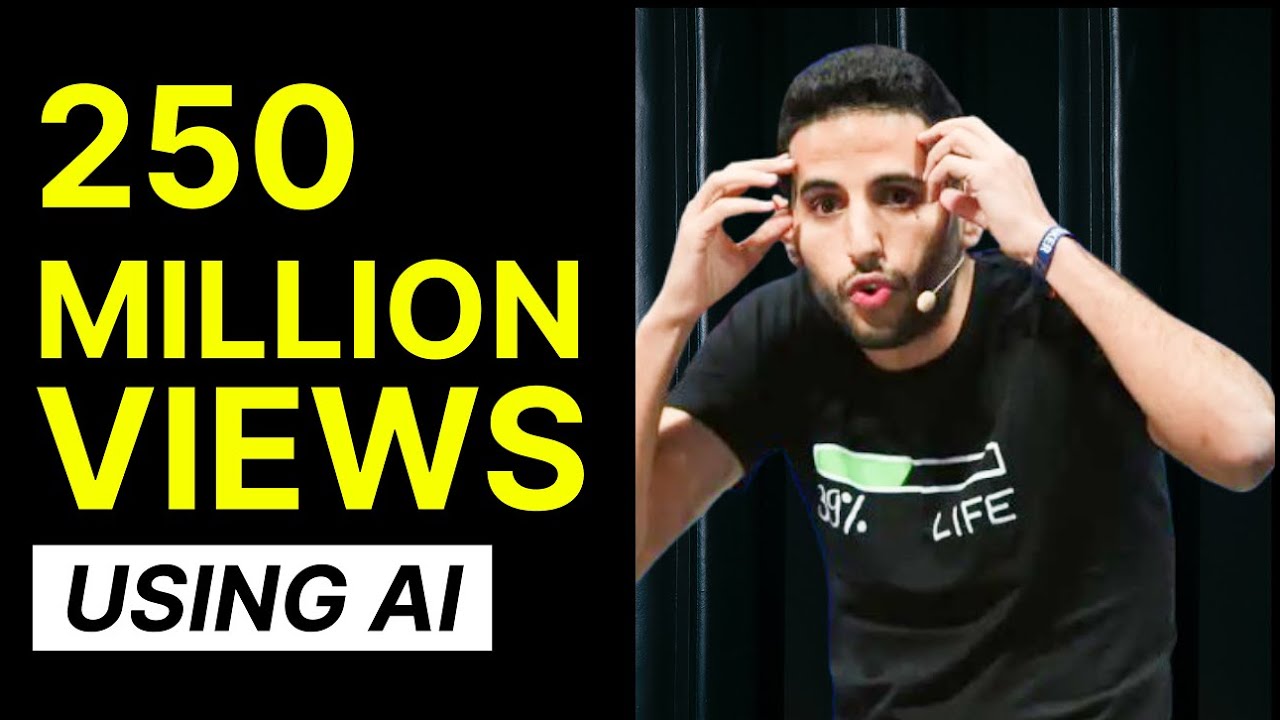
Yeah, it's something like we do as well. Every newsletter we write or podcast we publish, if it's not 100% perfect, I feel apprehensive about publishing it. But then we had, like, Nazz Daily on the show a couple of weeks ago, and he pivoted all of Nazz Daily from human, you know, creative content all to AI.
And I think in the last two months, he was saying 250 million views just from all AI-generated content. So I think we're going to see, like, a whole new generation of new types of creators,right? It's becoming easier, but we're going to see maybe, you know, a new type of, new types of creators come out creating new types of content.
What do you reckon?
I agree. Yeah. And I think AI is going to help people make videos as well because, like, even at Passes, we're using AI to help generate, like, scripts. I think AI is extremely good at figuring out, like, what's a good hook and what's a good storyline and what could potentially go viral.
And it helps, like, especially if a creative block helps you get past that. So what could have been, like, like, the amount of time it would take to create one video, you can maybe make 10 videos now. So I do think that this is going to essentially lower the barrier eventually to becoming a creator as well.
Totally. I also think, you know, with all of these creator startups, we haven't really seen that many explode,right, in the last four or five years. If you look at all of these AI companies, there have been so many which have really exploded just in the last year, last two years.
We haven't seen that many in the creator economy space, which is a little disappointing. What do you reckon, like, is this going to change? Are we just going to see a whole bunch of new creator startups which are more AI-focused and those are the ones which are going to really explode?
You see what I mean?
So I do think that AI creator startups will explode in terms of, like, just the number of creator startups. I actually don't think so. And my hypothesis here is that engineers aren't necessarily interested in working in the creator economy.
And I can see why too. Like, it's very Hollywood-esque, which is appealing to most top engineers. And I think the best startups are created by the best engineers,right? So when you don't have as many engineers interested in working on a problem, you're just going to have less startups explode.
That being said, I think it's a huge space. It's just a space that requires a lot of patience and just a new environment that people might not be used to
versus, you know, building something else.
For sure,right? And I also think, like, I mean, when I think of Passes, you're the likes of Patreon, there's Fanfics, there's OnlyFans, and I'm probably missing, like, a bunch of others. How do you position yourself as I kind of feel the other platforms I just mentioned, they're all catering for different categories, different types of creators, but some of them really haven't changed at all in the last, like, two to five years.
Platform Strategy21:24
How is Passes really, you know, staying ahead of the curve and innovating so quickly?
Well, I mean, I think that, like, the approach we are taking is, again, like, infrastructure to help creators build their brand and their business. So this means creating more tool sets for them to be able to monetize. This means thinking about how they reinvest their money.
This means thinking about, like, how we can support them to be able to, like, leave their current job and become a creator. So one example is, like, health insurance,right? Like, we're partnering with the health insurance company to be able to give them the best health insurance possible because, you know, when you leave a company, you might get COBRA for a few weeks, but then suddenly you don't have the insurance.
So that's just, like, one small example, but we're really thinking about just, like, the end-to-end for creators. So, like, okay, so, like, here, finally, you're starting to monetize. Like, how do you reinvest that money and grow your long-term wealth, whether it's investing in companies, like startups, because we've created a lot of accredited investors, or whether it's building a brand out of it.
Like, we work with creators, so I like figuring out, okay, like, this is a white-labeled product that we should be working on with you. Obviously, we can't do that with every single creator, but, like, for one's audience, like, it makes sense.
So, like, okay, how do we support you with, like, health insurance, et cetera, et cetera? And I think, like, most of these platforms both aren't moving as quickly as us, so they have significantly less features, but also they aren't thinking about the end-to-end for a creator.
Totally. And I also think it is important to think, I think, kind of long-term, but also, you know, innovate fast. But I love what you just mentioned, like, you're actually taking care of the creators personally as well, like the insurance and, you know, really helping them with their day-to-day.
That, I think, is something more creative platforms should be doing. Like, if I think of all of the creative platforms which we know,right, how many of them actually care about the creator actually versus just looking after them? That's pretty nice.
Yep. And I think the creator economy is very, like, I think with tech companies, you know, like, you think about retention. I think with the creator economy specifically, there's a lot of emotional retention versus platform retention, where if they trust you and they feel like you aren't going to screw them over and you are their friend, they're less likely to leave.
And they're more likely to put in effort.
Exactly,right? And it's like this whole, like, network effect as well,right? Because they'll start referring all their creative friends.
Exactly.
Which is good,right? How do you, something I think about is creator pricing. So it feels like on a lot of these creative platforms, you have the one business model which is like the takeaway, so you just take a commission off the revenue earned, but also you just charge a straightforward subscription.
How does Passes think about that short and long-term?
Yeah, I think that we want to be competitive in the market. So for our marketplace product, which is where you can, you know, sell downloadable PDFs, you can sell event tickets, you can sell merchandise, et cetera, we actually just lowered our fees to a 0% take rate because we can,right?
Like, we did the math and we're like, okay, like, we are able to do 0% and we have some fees on the fan side that cover credit card transaction fees. But outside of that, it's like, okay, cool. Like, everything is good.
Like, we want to help creators get the most money into their pockets. So that's how we're really thinking about the business model.
And the other types of products you offer, would you do subscription kind of long-term? Is it take rate? Are you doing, like, a combination, which I think is, you know, probably a good approach as well?
Yep. Soright now we do take rate. So our base product is a 10% take rate, but there's no hidden fees. So a lot of people will advertise a lower fee, but then, you know, you get charged for, like, when you pay out, you get charged per, like, purchase, et cetera, that a fan makes.
Our 10% is blended, which is, I believe, one of the lowest, if not lowest, in industry. We're constantly evaluating what makes sense, though. So, you know, like, if one day we're like, oh, subscription makes more sense, then, like, there's a chance we move to that.
But at the moment, it feels like the take rate feels the lowest risk for creators because it's just, like, they get to keep the majority of the revenue that they're making and they don't have to, like, they won't lose money,right?
Like, it's a win-win.
Yeah, it's, I think, is. I think it's amazing for most creators, but then when you're like the Mr. Beast of the world or you're the top 1%,right, if you're earning a million, five, $10 million on the platform and giving away 10%, okay, it's maybe not a lot to them, but they're still quite high,right?
Do you think we're going to see a shift where as soon as you reach some form of threshold, there's going to be a cap or there's going to be a different form of monetizing for those top 1%?
I think potentially.
Yeah.
I don't really have an answerright now, but I do think that, like, for example, if someone were making that much, like, it might make sense, for example, to cap it or even do a subscription model, but we would probably want to work with that person on creating a product.
Like, Feastables is worth, like, Feastables is the main reason why Mr. Beast's net worth is actually what it is. Like, it's his main focus because it's making so much money. And, like, we would want to do something similar with that creator.
And that's probably where we would, you know, do the operations and ask for equity because creators are, like, they don't really want to focus on, like, the ops of business. Like, they really enjoy creating and relating to their audience.
So that's probably the play for someone bigger like that.
Exactly. Well, Mr. Beast's dynamic is just incredible, you know, just in the last 10 years. Do you think it's still possible for any creator to become of that size?
Absolutely, yes. I think we're going to see platforms, like new social platforms that we can't even, like, think about emerging,right? Like, Mr. Beast was the OG YouTuber, but then, you know, TikTok created the Demillions. And they have, like, a reality TV show, amongst other things.
Addison Rae is now a pop star. I think that there's going to be new forms of social media that, like, we can't even imagine today that will create new stars as big.
Cool. But it's also going to be, and it's probably just like any category,right? You're going to see creators come in and go. You're going to see new creators, but then we're going to see some of the OGs who maybe just want to take a break.
Like, I think we saw this with, like, Emma Chamberlain, Casey Neistat, like, doesn't do it as much anymore. Do you just think that this is the way the creator economy is?
I think at some point people find a more lucrative opportunity than creating content. So, like, I can't speak to how well Chamberlain Coffee is doing, but from what I hear, quite well. And that's just an example of, like, funneling your focus into something new,right?
Fundraising28:47
Exactly. You guys raised pretty quickly, I think. I'm only talking three years ago. I think your first round was, like, $9 million or something. And you raised this in two weeks?
Yeah, it was like a week or two. It was honestly a few days to start. And then the, like, if we're talking about, like, closing, like, when, like, the last money came in, I would say, like, one to two weeks.
That's amazing. And so for context for the listeners, you were running, like, a venture fund,right, in kind of between Scale and Passes and, you know, we're going to chat about this around why creators should be launching maybe their own venture funds or their own startups.
But I guess your LP base were pretty supportive of you also, you know, launching your own company.
Yeah, I would say they were extremely excited. They're like, please, yes, go do a company, but, like, let us invest first.
That's amazing. Yeah, amazing. And then your second round was, like, $40 million last year,right?
Mm-hmm.
Where, so Passes, where you are today, there hasn't really yet been a creator economy company which has gone public. Is Passes going to be maybe the first?
I mean, is that true? Like, technically, I would call Snap as part of the creator economy. I would call Meta as part of the creator economy. And, like, yeah, I, like, Instagram is really, like, you know.
Okay, if we take away, like, the social media platforms, whereas true, like, you know, creator, fan, creator economy kind of, like, engagement.
Got it. Yeah. I mean, I think there hasn't been one that has gone public because the timing of when it was probably best to start this, I do think, like, timing is everything with startups was probably in 2020.
Like, we saw a trend where creators were losing brand deals. They saw, like, inconsistent income, et cetera, and they started realizing the value of direct fan-to-creator relationships. And given that that was, like, you know, five years ago, usually, like, going public takes, like, 10 to 20 years.
So I think that, like, there will be creator economy companies that go public, but just there hasn't been enough time yet.
And I mean, Passes are only a few years old,right? So they'll see maybe in five, six years. But is that, like, yeah, that's maybe the big opportunity?
Yeah, I mean, I would love to go public.
AI & Creators31:15
Yeah? Cool. Let's help you make it happen. You know, with AI now changing so fast, there are new startups kind of cropping up every five, you know, just every day. How are you staying on top of, like, just the whole AI buzz?
Yeah, I would say I'm just so ingrained in the tech community. The people are constantly sending me new research articles, et cetera. I've read a lot of founders. So you're really the average of the people you hang around with most.
And when I'm hanging around with pretty much, I hang out with a lot of tech entrepreneurs. I'm constantly learning just from them. I stay close to builders. I play with products. I invest, which helps because, you know, you're getting pitch decks all day long.
So I would say, like, I stay on top of it just through conversations.
It's so hard,right? I mean, even keeping all the latest startups, the latest funding news, the latest AI trends is so hard, but I think it's so exciting. But then on the flip side, there are a few concerns,right, and a few challenges.
Any concerns that you're, like, you know, concerned about? Anything, like, which is top of mind for you?
Yeah, I think misinformation and abuse of data is probably the top reason for me, especially within the creator economy. When you talk to creators, they really dislike AI. The reason being they're worried about the misuse of their data.
So deepfakes, for example, without their permission, et cetera. And this is really a concern that, like, everyone should be worried about. Like, I'm terrified of, like, someone deepfaking me. Deepfakes are getting to the point where, I mean, it blows my mind that people don't realize they're fake.
But I don't know if you've seen the, like, video of these cats and dogs doing Olympic diving, but the amount of people that think it's real is crazy. Or, like, cat skydiving. I'm like, you guys can't possibly believe this is real.
But you can imagine how the world can become quite dangerous when, like, politicians are being deepfaked and spewing incorrect facts, et cetera. So that's probably where I'm most scared. And you're seeing the effects within, like, memesright now today.
Exactly.
Like, people can't tell the difference between, like, deepfake and real life.
It's super hard. Like, even I was watching a video last night, two days ago, and I was convinced. And I've seen a lot of, like, these AI videos and startups now,right? And I thought it was real, but actually it wasn't.
But there are actually now some core AI startups emerging where it will work with creators and they will notify them, like, immediately if they've seen any replicated content or replicated videos. I think that's really cool. But I think, like, summarizing the AI opportunity for creators, I think one thing that it has allowed is, you know, creators can now translate their content,right, into any language using their voice.
So if Lucy can only speak English, she can now translate her content into any, you know, language using her voice. I think that's amazing. And you know what's really annoying? I had this idea, like, four or five years ago when we first started, like, writing about the creator economy.
And I was like, oh, this is not going to go anywhere. So pause it. But, like, the likes of 11 Labs are doing super well. And I think it's a cool opportunity.
It's funny because one of the first things we thought Scale would be used for was first transcribing and then translations. So, because, like, you know, everyone needs to transcribe a video. Once you transcribe it, you can translate it.
And the only reason it wasn't, you know, done was because I was the one basically doing all the tasks, you know, initially. And I was very bad at transcribing videos.
It's okay. It's okay. But I think it's pretty amazing. We, again, like, we've seen other creators who could only now, you know, speak Hindi or French or Italian or Thai when I'm based, but they now, you know, they can be truly global.
Angel Investing35:20
And I think that's, I mean, that's really exciting. So we'll see. You've also been a bit of a savvy angel investor. 100 companies, I think you've done now, 100 plus.
Mm-hmm. Yep.
And your most, what's like, what's the gem?
Ramp the winner.
In the crown.
Yeah. Ramp is definitely the gem. And that's where, you know, my hypothesis has always been invest in the best engineers. And I was a huge fan of their previous product. So when I heard they were starting a new company, I was like, I just have to invest.
Like, don't really even care what it is. So I flew in to meet the founders and then managed to beg my way into the round. And then our thing was, like, you know, we helped them hire some of their early-stage people.
And those hires did incredibly well for the company and helped scale the company. So then when their next round came, they're like, you can have any allocation you want. We should have put in a lot more money. That's my biggest regret.
But, you know, added in a few hundred more K, and that investment's doing incredibly well.
Wow. That's amazing. I think they raised recently and we, yeah, I reached out to Eric last night, actually, trying to get him on the show. So Eric, if you're listening, come on the show.
Eric's great.
Trends36:38
But hey, this has been awesome. So we talked about, like, the founding story of Scale AI, Passes. And the second part of the show is where we love to talk about the next big tech trends our guests are most excited about.
So the concept is pretty simple. We have a couple of trends here which we're going to talk about and, you know, jam around, you know, any core businesses which could be created from those. So the first one is around, you know, creators partnering with brands and how do they get equity in companies.
How is AI going to be used across industries to save time? And the third is around, you know, AI safety, you know, especially examples with, like, Waymo in the US. So the first one, we've actually also been thinking a lot about, which is around, you know, how do creators get ownership?
How do they, you know, also be part of this new generation of wealth over the coming years? What are you thinking here around, you know, creators partnering with brands or venture funds and becoming meaningful equity holders?
Yeah, so I think it makes more sense for them to work with established brands versus building their own. Like I said, I think creators are best at, like, being creators and not operating. So if I were to build a company around this, I'd probably do it as a studio model where either I start a venture studio similar to Atomic, and if I have, like, certain products I want to build, I would find theright creator to partner with.
Ones that I think, like, actually has an engaged audience, super fans, that specifically admire, like, a certain trait about them. I think it's very important to look at, like, just demographics of the audience as well. Like, are they able to afford a certain product?
Or could their parents afford that product? So Mr. Beast, for example, Feastables, it's a bunch of kids. So, like, their parents are buying the kids' candy, but, like, that's a market. But if he were to create something else, like, I don't know, a hair product, like, that probably would completely flop.
So I think it's important to choose theright creator with theright demographics for products. Other than that, I think I would just work as an agency model where I would go scope out, like, these early-stage companies that didn't have a lot of funding, but, like, needed to go to market.
Because those people, like, because it really does cost millions of dollars in marketing to, like, really go to market, I think. And because if they don't have that much money, they're going to be more willing to offer creators meaningful equity.
Like, for example, like, we wouldn't offer a creator 50%. It just doesn't make sense for us,right? Like, we were talking to some of the biggest celebrities in the world, and, like, the max I was even thinking about was 1%, if not significantly less.
But, like, a CPG product that doesn't have much funding that really needs to go to market and where a creator could, like, make it or break it for them, like, they could be willing to give 50%. And I've actually talked to companies.
They come to me, actually. Like, I have a skincare company that, like, came to me and they're like, hey, like, we need to find a creator to partner with. We're willing to give them 50%. And it was, like, some famous scientists in, like, Germany making this skincare product.
So I think there's an opportunity there from the agency side as well as, like, from a creator incubator, like, studio side.
Interesting. Yeah, we haven't seen, like, that many yet. And we were chatting before, like, around, is there an opportunity to create some form of collective where you get 50 to 100 creators together? You're getting access to the best startups.
And this is more for creators to invest in startups to, you know, get on the cap tables. But no one's really done that yet at that scale, I don't think. More on the B2B side versus the consumer side.
But I think that could be, like, pretty interesting, especially with, like, newsletter writers, B2B creators. There might be something there.
I think it's interesting only if they get enough ownership. I think, like, a lot of venture funds actually made this mistake where they grabbed a few creators and then they tried to get into startups and, you know, used the creators' audience as a reason for why they should get allocation in the company.
But, like, if you're a creator and you're investing in, like, 100 different companies, you can't support all 100 companies,right? Like, that's not realistic because it diminishes your brand. And because these creators weren't willing to hype up all 100 companies they invested in, these venture funds ended up getting, like, a pretty bad reputation because they weren't living up to their promises.
I think where creators, like, are willing to risk their brand and reputation is when they have enough ownership where it really is like, oh, I can, like, you know, make millions of dollars off of this, if not billions of dollars.
So at that point, you're looking at, like, at least I think for creators, like, for them to wrap their mind around it. Like, I think 10% is, like, a ridiculous amount if you're about to be honest as, like, you know, a founder myself.
But I do think that for creators to wrap their minds around it, you're looking at, like, that 10% plus mark.
Do you think for, so if any startup who's looking to partner with a creator, is the expectation the creator should also be investing in that startup? Or is it more of an equity versus RP or marketing person for you?
I think it's usually equity. I'm not really seeing creators invest in companies.
Yeah. I think that's pretty interesting.
It should.
Yeah.
We have creators that, like, begged us to join our Series A.
Yeah. I'm not surprised. I think we'll see more of this. More startups, you know, allowing creators to be on their cap table, but also just really basic things like operators,right? There's no point in having a cap table just filled with VCs if you don't have, like, any truly, like, experienced operators, especially at the pre-CC stage.
I think it's always, you know, hopefully, you know, a good thing to have. Okay, cool. So we've kind of, you know, talked about the first trend, which is getting creators, you know, more part of this, you know, future generation of wealth.
So the second trend we're going to talk about, which is, you know, how is AI being used across all industries to save time? And for context for the listeners and viewers, we published one of the first generative AI market maps, like, a week after ChatGPT came out.
This was only three years ago. And, you know, so much is happening,right? Generative AI, AI agents last year, now it's vibe coding. What's happening in this, you know, whole productivity AI tooling space?
Yep. I mean, I've seen a lot. I don't know if you've seen Captions AI, but, like, AI is helping creators really just edit their videos faster. I think AI is helping creators come up with scripts. For example, like, I said we do it on our plot, like, when we make videos.
It's helping them figure out trends faster and, like, what to exactly say. Some creators are using AI to really generate, like, digital twins of themselves, which I think is probably the more interesting thing that's happening. Like, I see the future being creators licensing out their likeness, essentially, to brands so they no longer have to actually, like, you know, fly out to a studio, create the video, etc.
It's cheaper for brands. It saves creators time so they can focus on actually creating videos and, like, content and focusing on the relationships with fans. I think this is the most controversial part of AI. But at the end of the day, I think within, like, five years, creators will accept this.
But we are seeing creators do that today because they're realizing how much money there is to be made doing that, along with, like, how much time they're able to save.
It's just happening so quickly. And again, like, there are so many cool tools cropping out, but I think there are still, like, a bunch missing,right? If you weren't founding Passes today and building Passes, what other type of, you know, creator style would you go and build, which is in the AI space?
Oh, we're really building everything with Passes. Like, I would say if I were to focus on a feature that weren't a platform, the first thing I would actually focus on is, like, creating realistic versions of digital twins and then creating a product where I would be able to, like, you know, sell to Celsius.
So, like, okay, cool. Like, it's like $500 for, like, a photo of this creator holding a Celsius can and being able to automatically generate different versions and then, you know, the creator and the brand, like, mutually approves which is used.
I was like, we do want to do this with Passes. It's just, like, not the main priorityright now. But if I were building another tech company today, I would start off with that.
That's a cool idea. You guys should do that. There's probably a lot of appetite.
Yeah, we are. We're playing around with different modelsright now. It's just, like, you know, it hasn't been a focus,right? So I would say, like, our versionsright now aren't human-like enough. Like, we wanted to get to the point where, like, you can't tell it's AI.
That's amazing. I think another opportunity potentially is around, you know, especially with YouTubers that, you know, how do YouTubers, you know, content perform the best by automatically, like, changing the thumbnails every day, every hour? I think there's still, like, some cool opportunities in that space.
I know Spotter. I don't know if you know this guy, Spotter Studio. They do something interesting, like, helping creators to create thumbnails, but no one's like.
Yeah, I just acquired a company where you can just upload a bunch of photos and then it's like an AI snap tool where it'll automatically create, like, the sets to upload onto Snap and captions, etc. to really optimize performance.
Cool. We should be using that. Let us know afterwards.
Yeah, it 3X'd a lot of our creator snap views, actually, which is cool.
Oh, cool.
Which is cool to see.
Nice. Awesome. Super cool. Okay, so maybe let's jump to the first trend, which is around safety. I think we're going to see a lot change here in the next few years. We were talking about here, you know, how do we improve safety, especially in the US?
You know, you've got Waymo's are now popular than Uber, which I actually didn't realize. I think this is just going to change so much and it's going to be a big impact. What are you thinking?
Yeah, definitely. And I was just talking to my friends the other day who, like, everyone has had a bad Uber incident. Everyone that I know has had, like, one bad Uber incident at least. So I think it's extremely interesting that, you know, like, Waymo's, at least in San Franciscoright now, are more popular than Ubers.
But what I think this trend will actually create, like, globally is that people are not going to be living in cities as much because it's no longer inconvenient to live in the suburbs, like, cheaper cost of living, etc.
Maybe you just want, like, the quiet suburb environment, but you can't because you need to get to work in a city. I don't know. Waymo's are going to make it way more convenient where, like, on the way to work, you could just, or, like, just automated self-driving cars in general.
You could be working. Like, you could imagine there could be, like, buses with, like, workout equipment that, like, you know, are self-driving to, like, the place of your destination.
So I think, like, city infrastructure and suburb infrastructure are going to change, which we'll see, like, if that prediction is correct or wrong. But, like, you know, like, if self-driving cars were everywhere, like, I can even see myself, like, not living in the center of the city because I'm only here for convenience.
Wow. I mean, I'm really interested in these kind of, you know, self-driving cars to see how it works in more densities. Like, I live here in Bangkok. Like, I was saying to you at the start of the show and self-driving cars in a very chaotic city where the driving here is questionable, it'll be interesting to see how that works.
Yeah, but if 100% of the cars in a city were self-driving, then it wouldn't be questionable driving anymore. They'd probably be pretty good at navigating around.
Yeah. Let's see. Early days. Wow, Lucy, what a cool story. Thank you so much. Such a cool story and, you know, just what you guys have achieved and really, like, just, you know, a short period of time, I think, is really exciting.
So can't wait to see where Passes go next. For anyone who wants to reach out to you, find out more about Passes, where can they find you?
They can just go on Instagram and then Passes handle is just Passes. My handle is just guoforit, so it's my last name for it. You know, like, go for it. Fun stuff. And yeah.
Awesome. Lucy, thank you so much.
Awesome. Thank you. Have a great day.
Cool.