
Creator Economy
Episodes from NEW ECONOMIES about Creator Economy.
7 episodes

Canva Co-Founder: AI Is Useless Without This 1 Skill
Jul 29, 2026 · 57:30
Cameron Adams, co-founder of Canva—now used by 250 million people monthly—argues that taste, not AI, is the new differentiator for creators. Adams describes Canva's founding story, where they delayed launch to polish the user experience, turning early social media managers into fanatical ambassadors. He explains that AI enables exploring ideas at scale, but the key skill is having the judgment to choose the right option and respond quickly to trends. Adams details Canva's AI evolution from text-to-image in 2022 to now solving end-to-end workflows like marketing campaigns. He also shares insights on co-founder dynamics, noting that Mel and Cliff excel at recognizing moments of change and rallying around a vision. The episode covers creators' need for taste, responsiveness, and managing multiple AI tools to stay relevant.
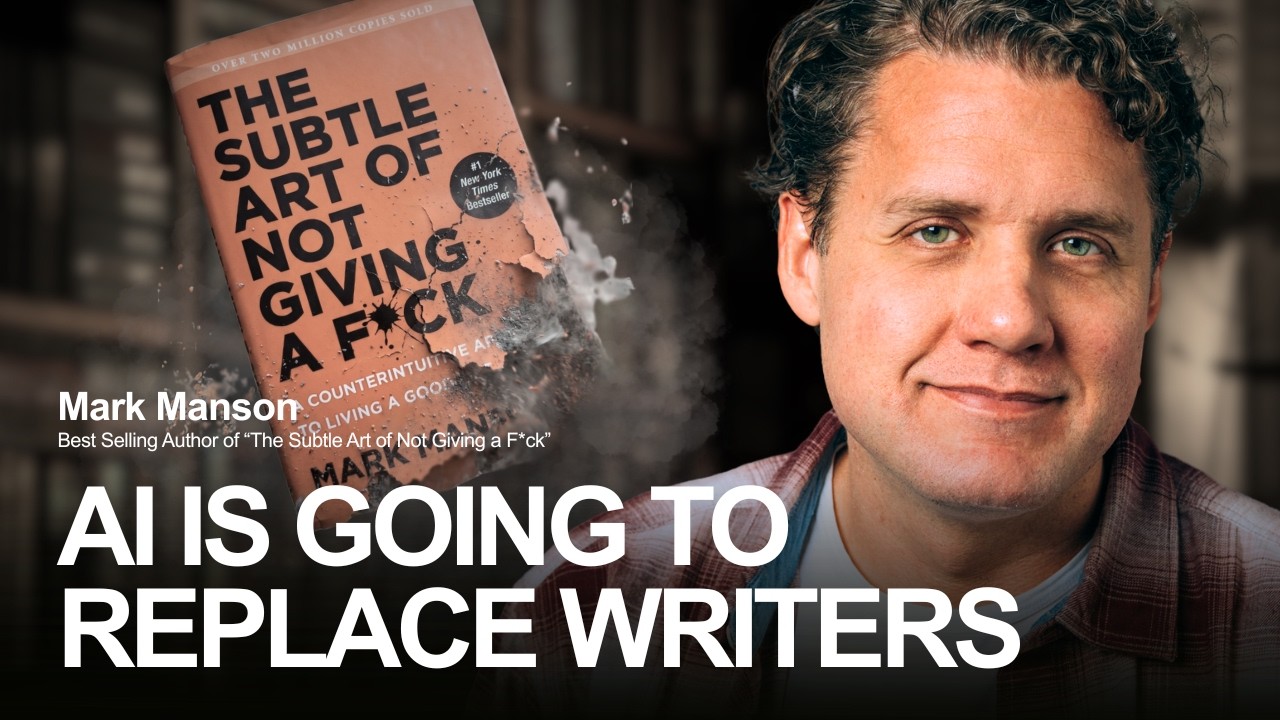
Mark Manson: AI is a Better Writer Than You But Here’s What it Can’t Replace
Jul 16, 2026 · 44:11
Mark Manson, author of *The Subtle Art of Not Giving a F*ck* (20 million copies, 70+ languages), argues AI will render most human self-help obsolete because it's all language, and he's building an AI app called Purpose. He claims nonfiction book sales are down 20–30% due to AI, not podcasts, and that AI will write as well as him but cannot replace his unique blend of traits. Manson shares how he uses AI for research and business coaching, and outlines an AI-proof nonfiction book requires novel concepts, creative teaching, and trust-based verticals like dating and business. He reflects on how his book's message has shifted over a decade, noting people now over-invest in identities. His advice: find the 0.1% edge case where your specific experiences overlap, because that's what AI cannot replicate.

5 Grand Slam Champion Maria Sharapova: Tennis Icon | Entrepreneur | Investor | New Media Creator
May 20, 2026 · 52:29
Maria Sharapova, five-time Grand Slam champion, reflects on her tennis career, emphasizing that most preparation happens when nobody's watching and that commitment to quality defined her proudest moments. She discusses the challenge of balancing fierce competition with personal boundaries, the business of sport and building a team, and how a shoulder injury in her early 20s first made her plan for a second act. Sharapova describes reinventing herself after retirement by taking a break and applying athletic lessons to entrepreneurship and her podcast 'Pretty Tough,' which explores the duality of grit and vulnerability. She shares her take on AI, noting its positive uses in sports like IBM's Wimbledon predictions and automated video analysis, but values human connection in media. In rapid-fire questions, she names Monica Seles and Steffi Graf as admired icons, Serena Williams as both the toughest opponent and a close friend who introduced her into the Tennis Hall of Fame, and says what makes her tough is the ability to say no.

Will AI Models Ever Compensate Creators? Tony Stubblebine (Medium CEO)
May 6, 2026 · 53:35
Tony Stubblebine, CEO of Medium, argues the creator economy is ending as AI slop floods public channels, but a writing renaissance is emerging where authentic expertise and private communities hold value. He details Medium's turnaround from losing $2.5M per month and $37M in debt to profitability, achieved by restructuring investor relationships and refocusing on human-written content. Stubblebine warns that AI companies like OpenAI created a 'prisoner's dilemma' by scraping content without compensation, pushing high-quality writing into walled gardens. He introduces Medium's new AI-assisted writing app TK and private blogging groups as responses to the era. The episode explores how creators must diversify revenue streams and reinvent themselves, while per-inference pricing standards like RSL slowly develop.

This Is HOW Newsletters Can Make MILLIONS
Sep 14, 2025 · 1:02:25
Tyler Denk, co-founder of newsletter platform Beehiiv and writer of Big Desk Energy, reveals how Morning Brew's conversational tone and email-first strategy built a $75 million acquisition, then how he applied that experience to create Beehiiv as a 'Morning Brew in a box' for creators and businesses. He explains that email distribution wins because platforms like Facebook and Google cut traffic 40-50% via algorithm changes and AI summaries, while newsletters let creators own their audience and monetize through ads, subscriptions, and affiliates. Denk shares Beehiiv’s early days: 150 of 400 signups from a single tweet, a $99 all-inclusive plan that was a no-brainer, and a 'holy shit' moment when GoDaddy shut down all user websites during his bachelor party. He argues that newsletter M&A will return as companies like HubSpot acquire distribution to their ICP, and predicts waves in hard tech (robotics, energy) and preventative health—citing 50% less alcohol use among teens and the rise of wellness clubs—driven by founders needing peak mental performance to build billion-dollar companies.

The Youngest Female BILLIONAIRE Told Us THIS
Sep 7, 2025 · 49:02
Lucy Guo, co-founder of Scale AI and founder of Passes, shares her journey from high-school entrepreneur to youngest self-made female billionaire and her vision for the creator economy. She explains why she pivoted from food delivery and healthcare apps to Scale AI, emphasizing the importance of early co-founder communication to avoid conflict. At Passes, she outlines a 0% take rate on marketplace products and a 10% blended fee, arguing creators must own their audiences for sustainable businesses. She identifies AI's potential for digital twins and script generation but fears deepfake misuse. Guo also predicts self-driving cars will enable suburban living and advises founders to invest in top engineers, citing her early bet on Ramp.
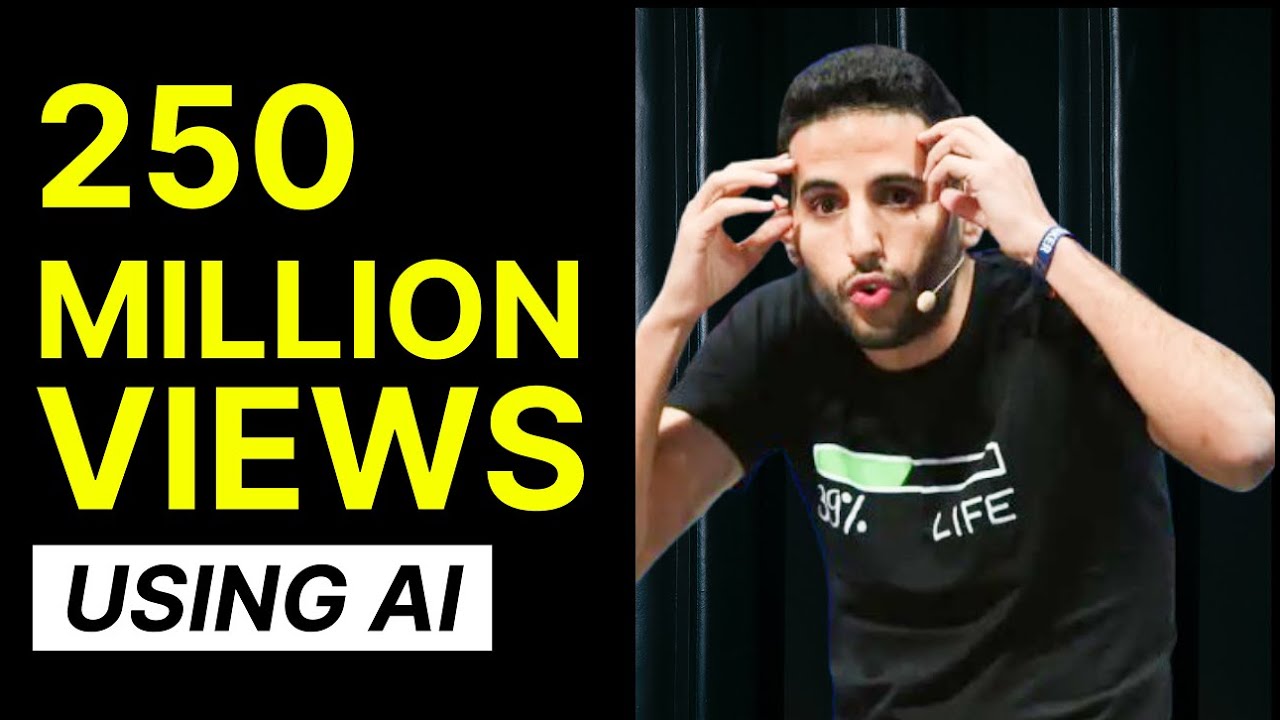
The Nas Daily Story
Aug 22, 2025 · 49:52
Nuseir Yassin, creator of Nas Daily and founder of Nas.io, explains how after 271 failed daily videos he finally broke through in Bangkok, then pivoted his entire content operation to AI—achieving 250 million views from 60 AI-generated videos. He argues that creators must stop building on social media 'quicksand' (only 3-5% of his 70 million follower revenue comes from platforms) and instead build real businesses. Nas.io, built with $10M+, lets anyone turn an idea into revenue within 24 hours using AI for design, ads, and customer acquisition. Yassin predicts the next big trend is internet capital markets—tokenizing ownership of real estate and companies so anyone globally can buy fractional shares. He also launched an entrepreneur fellowship giving 100 people $3,000 each to build businesses on the platform.
Powered by PodHood