
Salesforce
ProductA product discussed on NEW ECONOMIES.
3 episodes
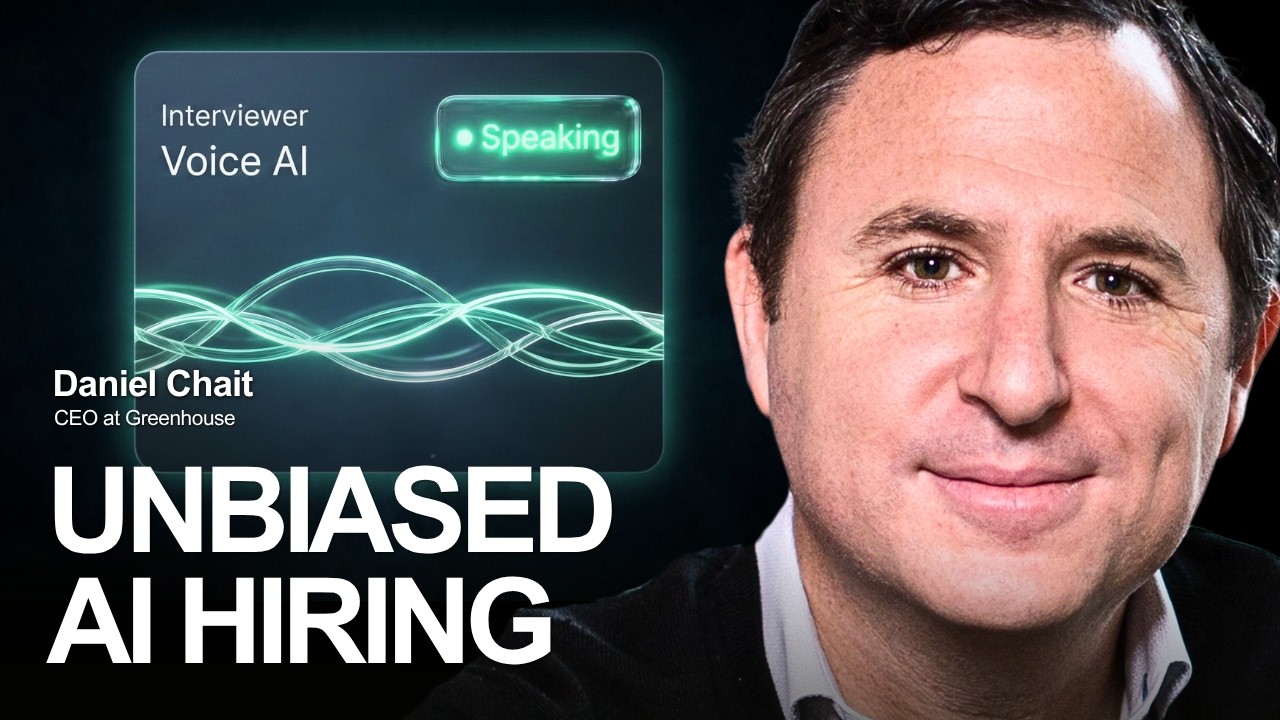
The Strategy to Eliminate Bias in Job Interviews | Greenhouse CEO Daniel Chait
Oct 7, 2026 · 1:08:26
Daniel Chait, co-founder and CEO of Greenhouse, argues AI has created a hiring market where neither side is happy, as auto-applied applications flood pipelines and AI filters tighten in a 'doom loop.' He says 1 to 1.5% of applicants hard-fail ID checks, recounts North Korean operatives infiltrating companies, and describes Greenhouse's 'Swiss cheese' security layers. Greenhouse's My Dream Job feature converts applicants to hires at five times the usual rate, and an AI-led first interview can eliminate the 50 percentage point racial bias gap from 2003 resume studies while saving six days per hire. He contends durable skills beat technical ones, Greenhouse must become Netflix rather than Blockbuster under its new mission to make hiring work for everyone, and companies will hire AI agents.

Superhuman CEO: The Strategy to Turn Standalone Apps Into a $13 Billion Suite
Aug 20, 2026 · 1:07:27
Shishir Mehrotra, CEO of Superhuman—now bundling Superhuman Mail, Grammarly, Coda (as Superhuman Docs), and Superhuman Go—explains how he built a $13 billion suite by overturning conventional wisdom on bundling. He describes meeting Rahul Vora at a Hawaii conference, rebranding 16-year-old Grammarly under the Superhuman name, and lessons from Reid Hoffman about people-first, long-term building. On the 'SaaS apocalypse,' he argues AI agents are new teammates that increase the need for coordination tools like CRMs, while pricing shifts from per-seat to usage because virtual employees don't fill out W-2s. He details his inbox-zero system using Superhuman Mail's 'splits,' and advises founders to build boards as 'weird teams' with soft connection and non-jeopardy feedback.
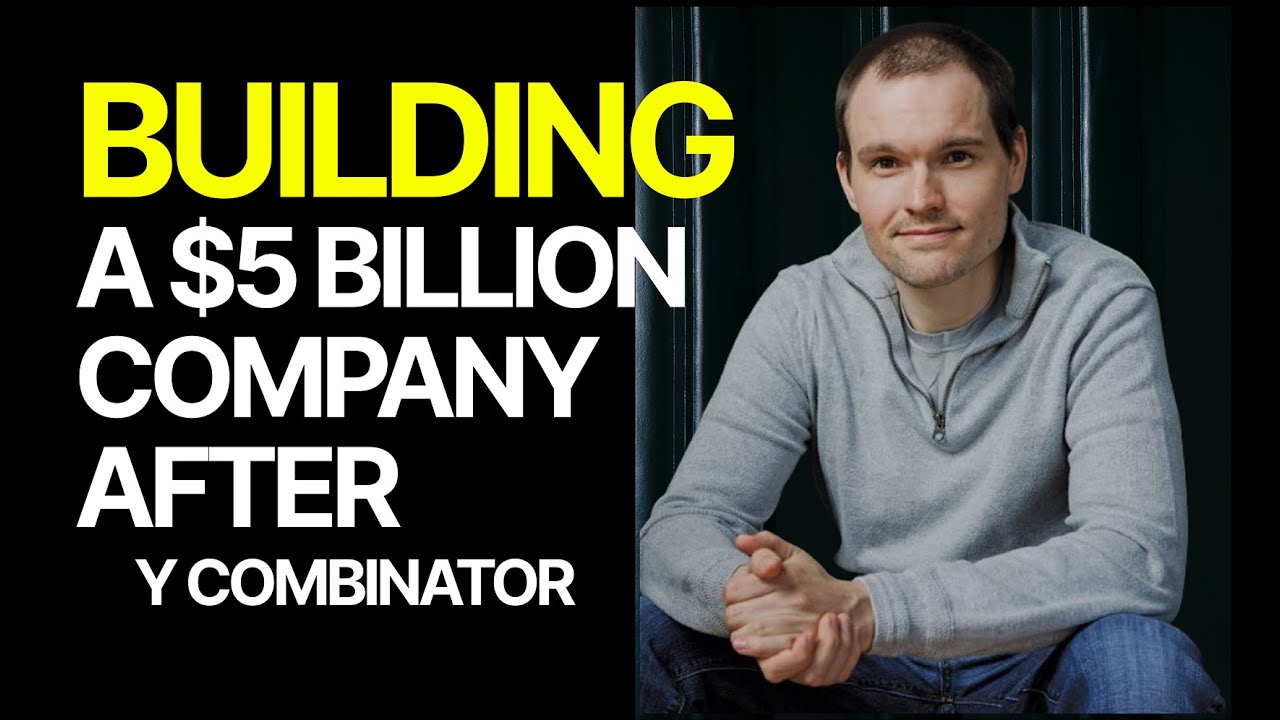
The Founding Story Of Zapier (Wade Foster)
Jul 24, 2025 · 51:33
Wade Foster, co-founder of Zapier, recounts the company's 2011 founding as an integration tool born from a forum thread and bootstrapped to scale without raising beyond $1.3 million. He explains how early growth came from answering forum posts with a prototype that converted at 50% despite being poorly designed, and how the company maintained a 'don't hire till it hurts' philosophy. Foster details the decision to avoid VC because customer acquisition costs were low and the business was profitable within a year, achieving breakeven with only tiny monthly losses. He shares two Paul Graham lessons from Y Combinator: focus only on writing code and talking to customers, and target 10% week-over-week growth, which the company sustained for years. On AI, Foster notes that AI is Zapier's fastest-growing category at nearly 300% year-over-year, and the company now offers agents built by non-technical users through natural-language workflows. He argues that seat-based pricing is dying and predicts a shift to usage-based models, while identifying the biggest AI opportunity in legacy industries like healthcare that work with unstructured data.
Powered by PodHood