
A product discussed on NEW ECONOMIES.
3 episodes
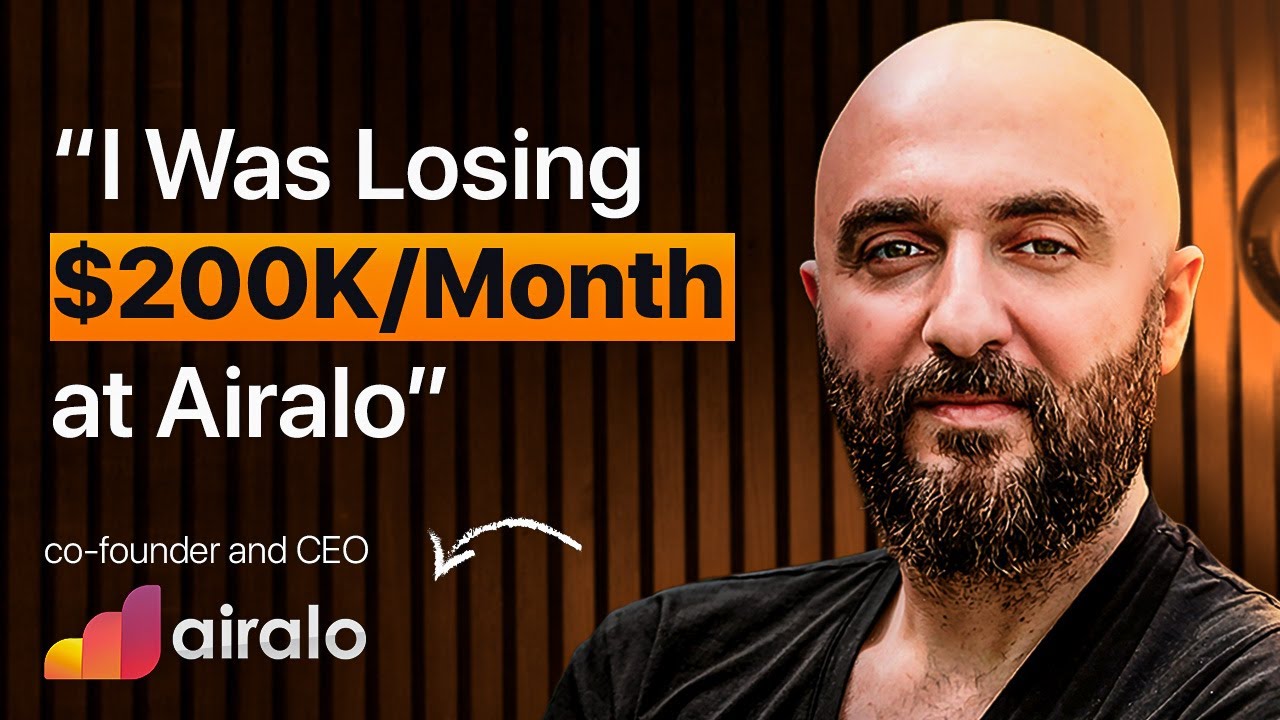
The Unicorn Nobody Saw Coming | Ahmet Bahadir Ozdemir
Dec 7, 2025 · 56:43
Ahmet Bahadir Ozdemir, the accidental founder of Airalo, built the world's largest eSIM marketplace by pivoting from a ship-supply business after Apple's eSIM announcement in 2018. He started SIM4CREW for 1.7M seafarers, then killed it to launch Airalo, relying on luck and timing. First customers came from unscalable hacks—wearing Airalo shirts, fake elevator calls, and Twitter bots—until a $5,000 influencer investment cracked growth. COVID hit after raising a $5.4M Series A, but overspending forced an early raise that left enough cash to survive zero revenue, panic attacks, and a war on waste. Airalo's culture centers on empathy and individual stories, rejecting 'greater good' logic—every gigabyte used globally is the long-term goal, via a connectivity layer powering devices directly or through partners.

The Nas Daily Story
Aug 22, 2025 · 49:52
Nuseir Yassin, creator of Nas Daily and founder of Nas.io, explains how after 271 failed daily videos he finally broke through in Bangkok, then pivoted his entire content operation to AI—achieving 250 million views from 60 AI-generated videos. He argues that creators must stop building on social media 'quicksand' (only 3-5% of his 70 million follower revenue comes from platforms) and instead build real businesses. Nas.io, built with $10M+, lets anyone turn an idea into revenue within 24 hours using AI for design, ads, and customer acquisition. Yassin predicts the next big trend is internet capital markets—tokenizing ownership of real estate and companies so anyone globally can buy fractional shares. He also launched an entrepreneur fellowship giving 100 people $3,000 each to build businesses on the platform.
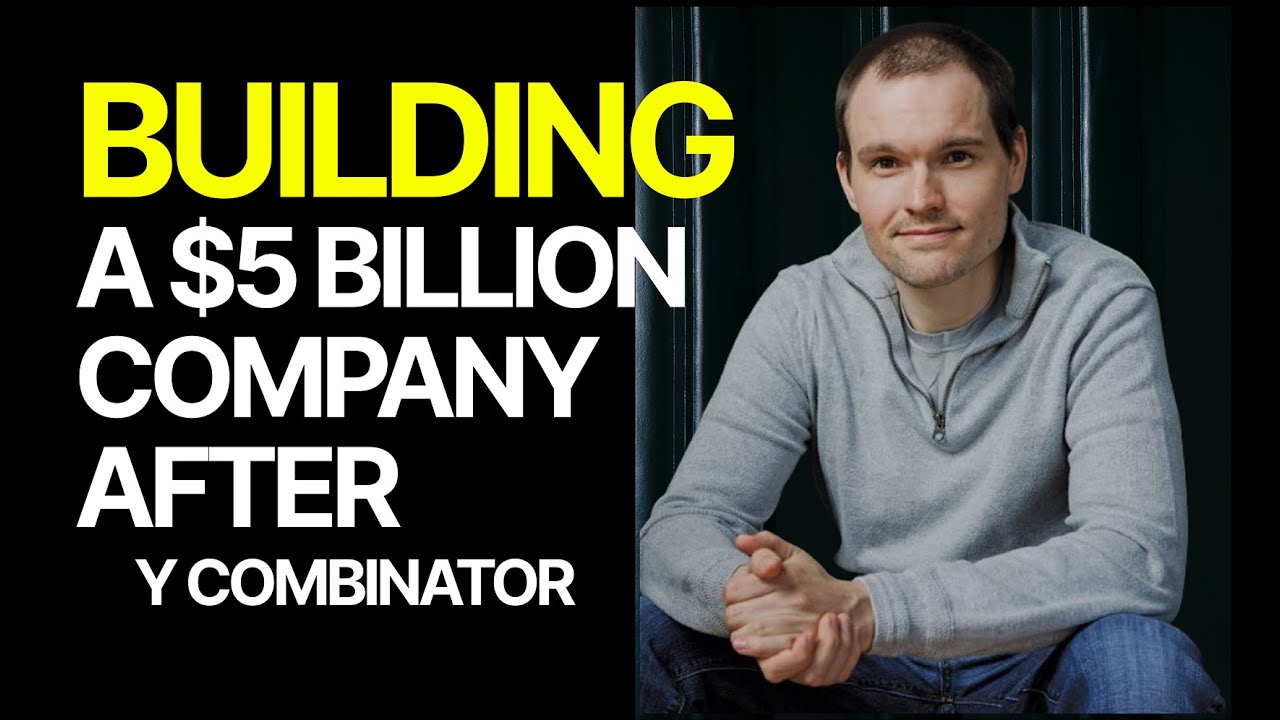
The Founding Story Of Zapier (Wade Foster)
Jul 24, 2025 · 51:33
Wade Foster, co-founder of Zapier, recounts the company's 2011 founding as an integration tool born from a forum thread and bootstrapped to scale without raising beyond $1.3 million. He explains how early growth came from answering forum posts with a prototype that converted at 50% despite being poorly designed, and how the company maintained a 'don't hire till it hurts' philosophy. Foster details the decision to avoid VC because customer acquisition costs were low and the business was profitable within a year, achieving breakeven with only tiny monthly losses. He shares two Paul Graham lessons from Y Combinator: focus only on writing code and talking to customers, and target 10% week-over-week growth, which the company sustained for years. On AI, Foster notes that AI is Zapier's fastest-growing category at nearly 300% year-over-year, and the company now offers agents built by non-technical users through natural-language workflows. He argues that seat-based pricing is dying and predicts a shift to usage-based models, while identifying the biggest AI opportunity in legacy industries like healthcare that work with unstructured data.
Powered by PodHood