
Evernote
ProductA product discussed on NEW ECONOMIES.
2 episodes

Why We Sold To Grammarly | Rahul Vohra
Jun 21, 2026 · 1:01:18
Rahul Vohra, founder of Superhuman and now CEO of Superhuman Group after the company's acquisition by Grammarly, argues that email remains the most enduring layer of work identity and that AI will radically transform the inbox experience while distribution and taste-driven focus are the lasting moats in an era of near-zero software costs. He explains that email addresses are owned by companies and serve as the root identity and authentication unit, with professionals spending 3 billion hours daily on email. Voice features like Right With Voice on mobile now drive 30% of usage gains, and the 'Sent via Superhuman' signature still generates 20% of site traffic. The acquisition story reveals that Grammarly independently chose the Superhuman name via a branding agency, leading to the rare rebrand of the acquirer. Superhuman Group operates as a multi-product bundle ($15/$30 per month) spanning email, documents (Coder), writing agents (Grammarly), and proactive AI (Superhuman Go), with priorities on M&A to fill missing categories like chat. Vohra also angel-invests via Todd and Rahul Capital, backing companies like Loyal (which received FDA efficacy approval for a dog lifespan drug) and…
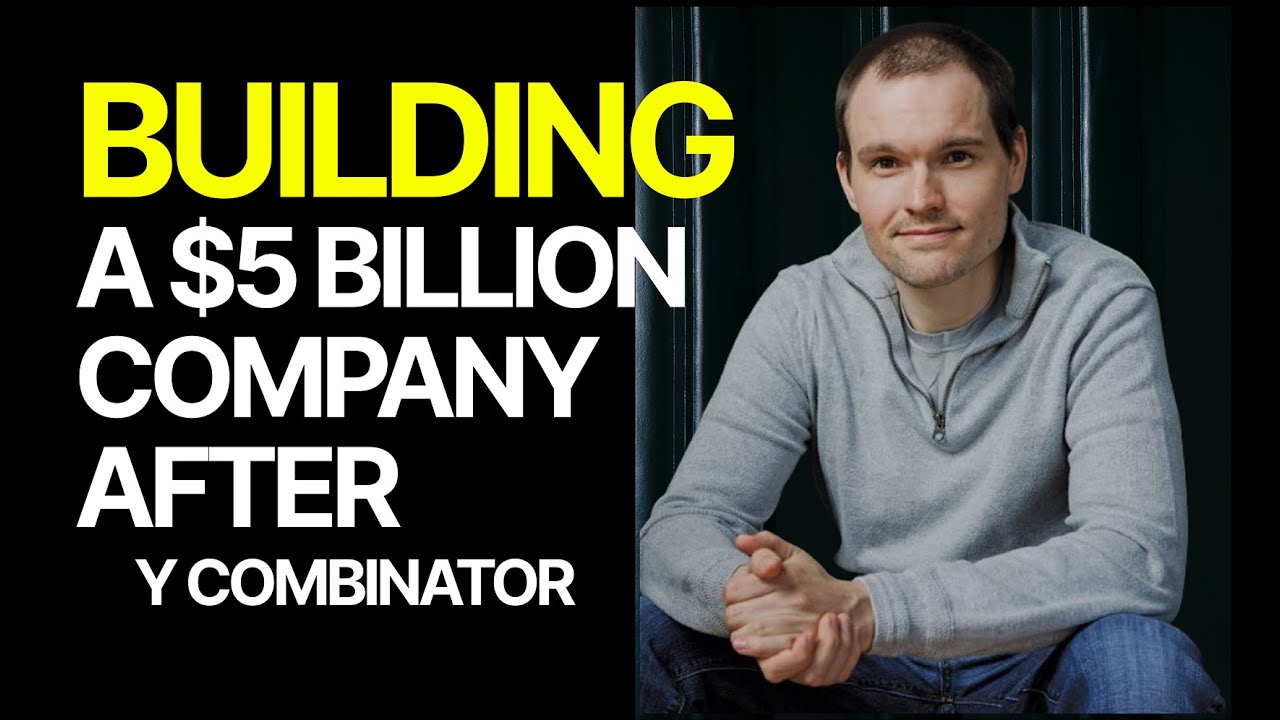
The Founding Story Of Zapier (Wade Foster)
Jul 24, 2025 · 51:33
Wade Foster, co-founder of Zapier, recounts the company's 2011 founding as an integration tool born from a forum thread and bootstrapped to scale without raising beyond $1.3 million. He explains how early growth came from answering forum posts with a prototype that converted at 50% despite being poorly designed, and how the company maintained a 'don't hire till it hurts' philosophy. Foster details the decision to avoid VC because customer acquisition costs were low and the business was profitable within a year, achieving breakeven with only tiny monthly losses. He shares two Paul Graham lessons from Y Combinator: focus only on writing code and talking to customers, and target 10% week-over-week growth, which the company sustained for years. On AI, Foster notes that AI is Zapier's fastest-growing category at nearly 300% year-over-year, and the company now offers agents built by non-technical users through natural-language workflows. He argues that seat-based pricing is dying and predicts a shift to usage-based models, while identifying the biggest AI opportunity in legacy industries like healthcare that work with unstructured data.
Powered by PodHood