
All episodes
Page 2 of 2
53 episodes

How To Actually Vibe Code
Aug 8, 2025 · 59:19
Billy Howell demonstrates how to vibe-code a directory website for barbecue restaurants using AI tools like Replit, Lovable, and V0, taking the idea from a product requirements document to a functional prototype in under an hour. He explains that niche directories can be built in a weekend, monetized through ads or affiliate partnerships, and eventually sold via platforms like MicroAcquire. Beyond directories, Howell discusses three trends: employees using AI to build and sell custom software to their employers, unlocking nascent demand as every business gains access to tailored tools; and AI receptionists for local service businesses, citing a personal experience where he didn't realize he was talking to an AI until 20 seconds into the call. He recommends starting with a specific niche (e.g., HVAC or gyms) and using tools like Replit, Cursor, LiveKit, or VAPI to build custom solutions.
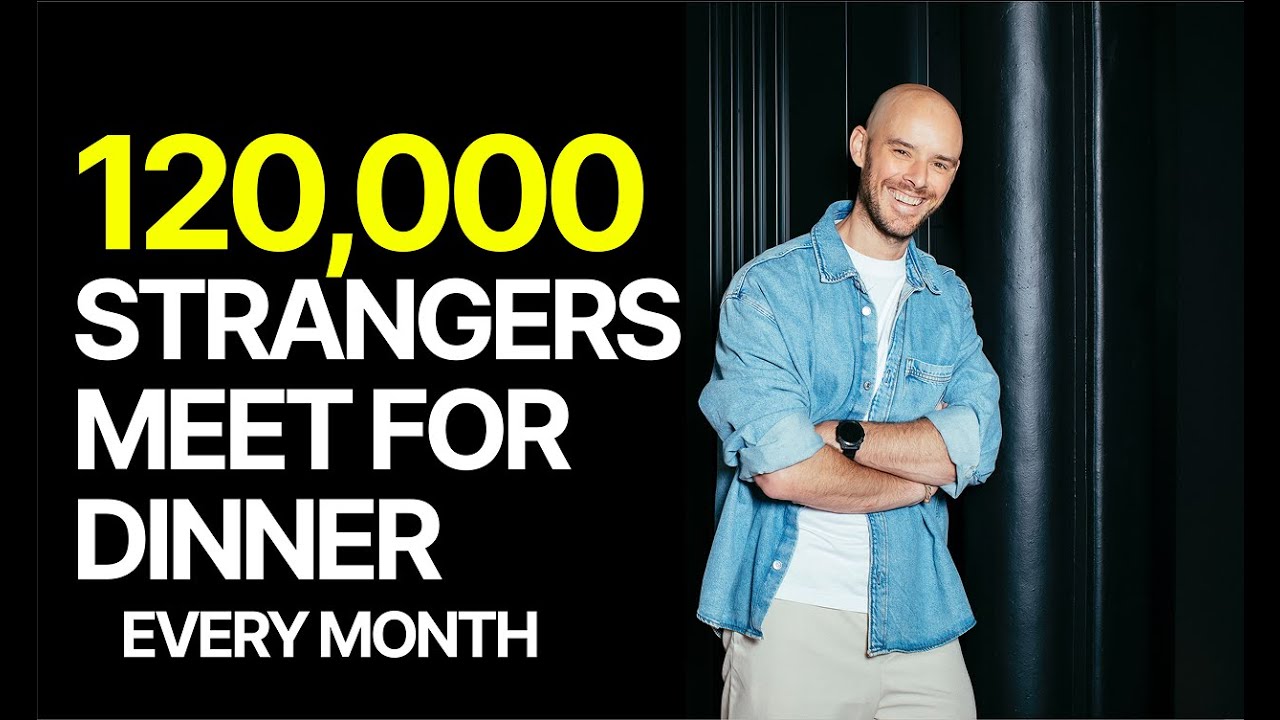
$16M Net ARR In Just Two Years (Maxime Barbier, Timeleft)
Aug 1, 2025 · 43:00
Maxime Barbier, co-founder of Timeleft, explains how his company that hosts dinners for strangers scaled from zero revenue to $16M net ARR in just two years by focusing on in-person connection amid a loneliness epidemic. After three years of failing with different concepts, Timeleft launched in May 2023 with 24 people in one city; today it serves 120,000 strangers monthly across 260 cities in 50 countries. Barbier attributes growth to performance marketing (40% of business is US) and a profitable acquisition model, avoiding 'empty calories' by ensuring users return. He details operational challenges of coordinating 30,000 dinners in 2,500 restaurants on a single Wednesday, and the expansion into new events like Thursday bar drinks and Saturday runs. Barbier also shares his views on why dating apps are declining (citing Bumble's share price drop from $62 to $6.50), arguing they create an illusion of choice and an 'Amazon Prime effect' that undermines real connection. The episode covers trends like tech as a new social frontier, friendship as the new dating, and the fall of dating apps.
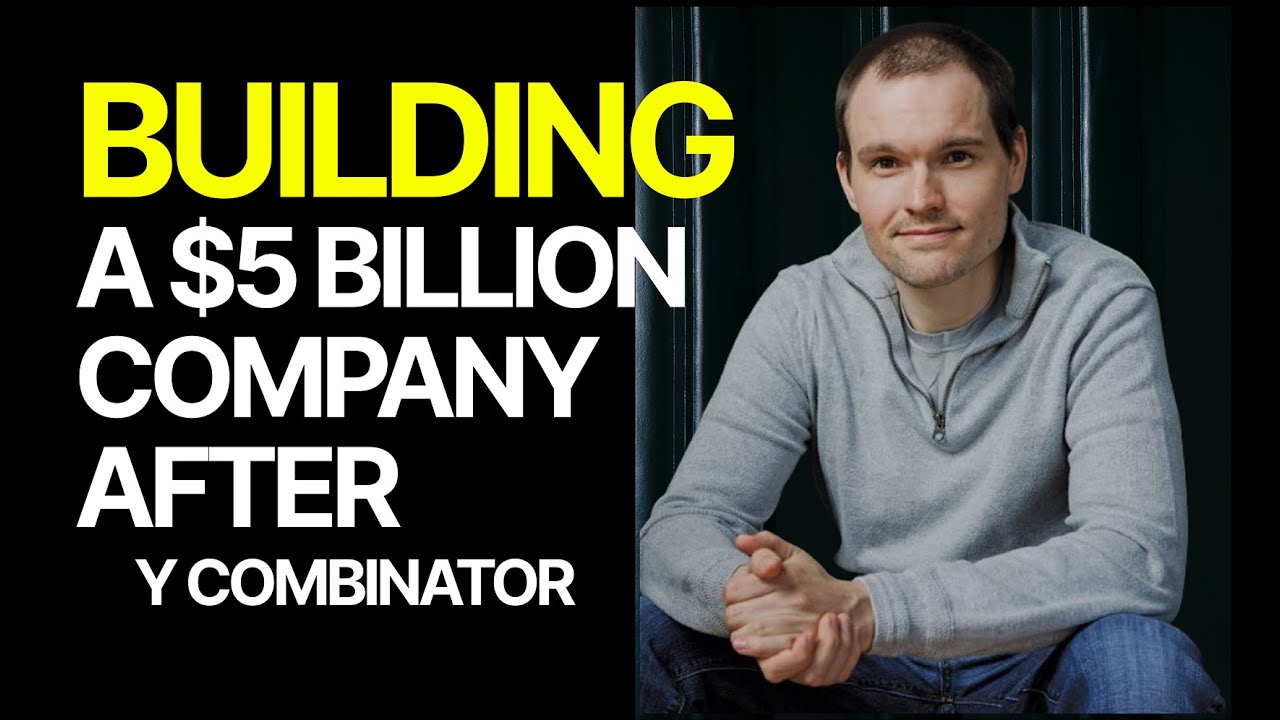
The Founding Story Of Zapier (Wade Foster)
Jul 24, 2025 · 51:33
Wade Foster, co-founder of Zapier, recounts the company's 2011 founding as an integration tool born from a forum thread and bootstrapped to scale without raising beyond $1.3 million. He explains how early growth came from answering forum posts with a prototype that converted at 50% despite being poorly designed, and how the company maintained a 'don't hire till it hurts' philosophy. Foster details the decision to avoid VC because customer acquisition costs were low and the business was profitable within a year, achieving breakeven with only tiny monthly losses. He shares two Paul Graham lessons from Y Combinator: focus only on writing code and talking to customers, and target 10% week-over-week growth, which the company sustained for years. On AI, Foster notes that AI is Zapier's fastest-growing category at nearly 300% year-over-year, and the company now offers agents built by non-technical users through natural-language workflows. He argues that seat-based pricing is dying and predicts a shift to usage-based models, while identifying the biggest AI opportunity in legacy industries like healthcare that work with unstructured data.
Powered by PodHood