
Zapier
CompanyA company discussed on NEW ECONOMIES.
2 episodes
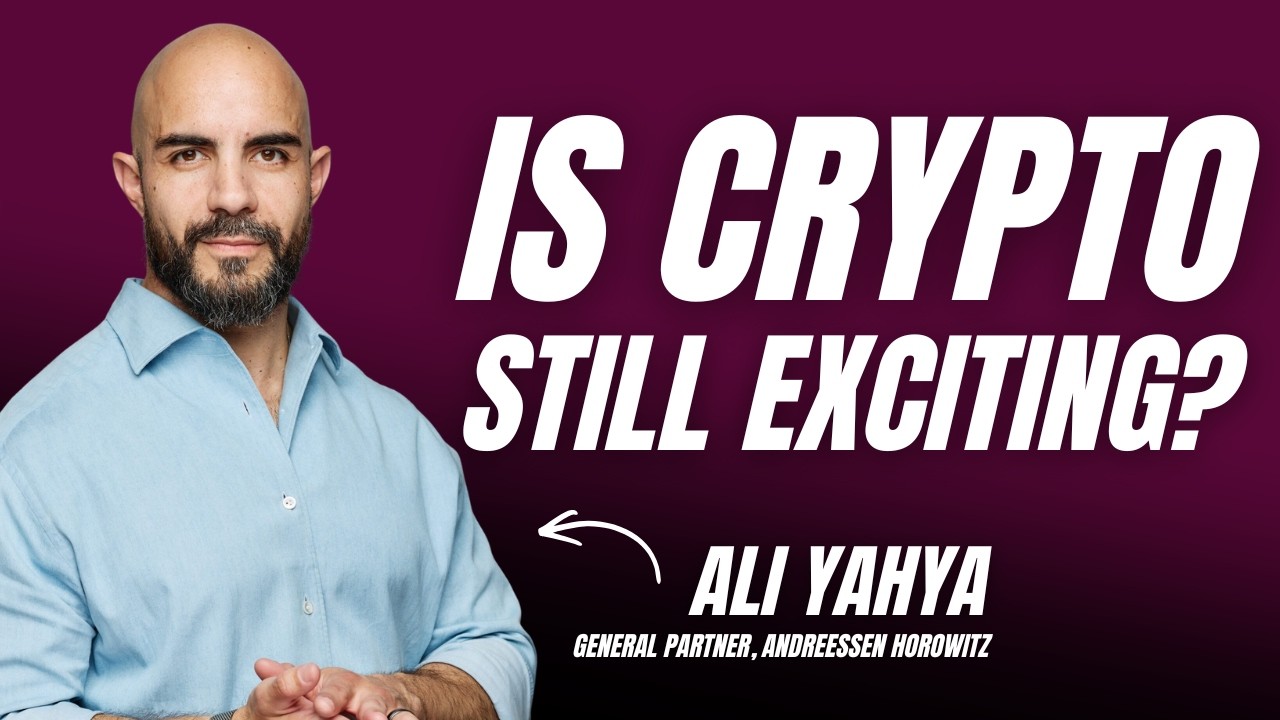
Why Andreessen Horowitz Is Still Betting Big On Crypto
Apr 22, 2026 · 50:25
Ali Yahya, general partner at Andreessen Horowitz (a16z), explains why AI and crypto are converging faster than predicted, with privacy emerging as a key defensive moat for crypto startups. He defines AGI as the point when an agent can be fully economically independent and outlines five stages of autonomous commerce, from automated payments to agent-to-agent transactions. Yahya is skeptical about AI agents trading for consumers—since everyone using ChatGPT eliminates alpha—but sees potential for professionals with proprietary data. He notes that a16z's 70-person platform team provides legal, research, and go-to-market support, and that the cost of entry has collapsed, letting founders test ideas with smaller teams before raising capital. He also highlights prediction markets, now legal in the US, as a growing category and recommends robotics as the next frontier, calling physical intelligence a 10–15 year arc offering time for newcomers to enter.
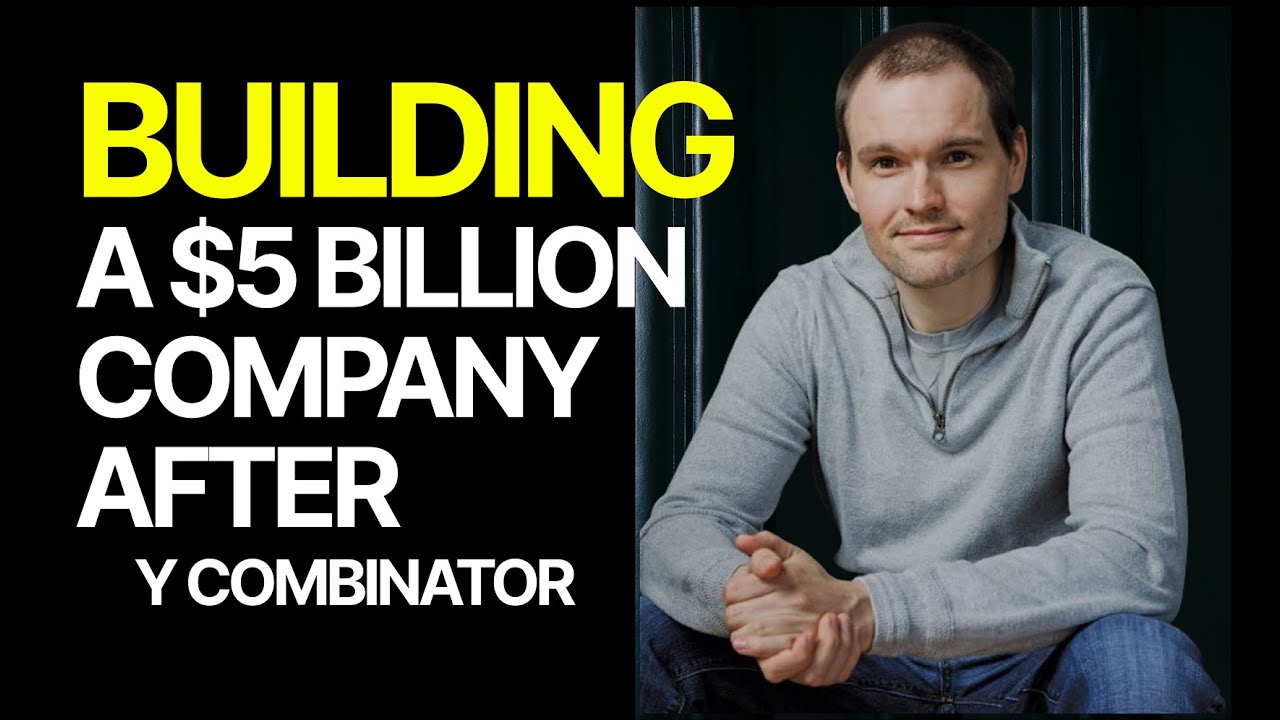
The Founding Story Of Zapier (Wade Foster)
Jul 24, 2025 · 51:33
Wade Foster, co-founder of Zapier, recounts the company's 2011 founding as an integration tool born from a forum thread and bootstrapped to scale without raising beyond $1.3 million. He explains how early growth came from answering forum posts with a prototype that converted at 50% despite being poorly designed, and how the company maintained a 'don't hire till it hurts' philosophy. Foster details the decision to avoid VC because customer acquisition costs were low and the business was profitable within a year, achieving breakeven with only tiny monthly losses. He shares two Paul Graham lessons from Y Combinator: focus only on writing code and talking to customers, and target 10% week-over-week growth, which the company sustained for years. On AI, Foster notes that AI is Zapier's fastest-growing category at nearly 300% year-over-year, and the company now offers agents built by non-technical users through natural-language workflows. He argues that seat-based pricing is dying and predicts a shift to usage-based models, while identifying the biggest AI opportunity in legacy industries like healthcare that work with unstructured data.
Powered by PodHood