
Timeleft
CompanyA company discussed on NEW ECONOMIES.
3 episodes

The Hidden Skill Behind Every Successful Founder | Lindsay Kaplan
Nov 30, 2025 · 37:06
Lindsay Kaplan, co-founder of Chief, explains how she and her co-founder Caroline built the women's executive network from cold emails that landed the first 200 members to a unicorn with tens of thousands on the waitlist. She details pivoting from in-person to digital in days during COVID, launching physical spaces, and the art of co-founder dynamics—emphasizing disagreement and complementary skills. Kaplan describes stepping down as operator after seven years, moving to VC at Next Wave NYC, and why she backs founders at the intersection of AI and real-world community, arguing that AI is a tool that cannot replicate in-person connection.

The Nas Daily Story
Aug 22, 2025 · 49:52
Nuseir Yassin, creator of Nas Daily and founder of Nas.io, explains how after 271 failed daily videos he finally broke through in Bangkok, then pivoted his entire content operation to AI—achieving 250 million views from 60 AI-generated videos. He argues that creators must stop building on social media 'quicksand' (only 3-5% of his 70 million follower revenue comes from platforms) and instead build real businesses. Nas.io, built with $10M+, lets anyone turn an idea into revenue within 24 hours using AI for design, ads, and customer acquisition. Yassin predicts the next big trend is internet capital markets—tokenizing ownership of real estate and companies so anyone globally can buy fractional shares. He also launched an entrepreneur fellowship giving 100 people $3,000 each to build businesses on the platform.
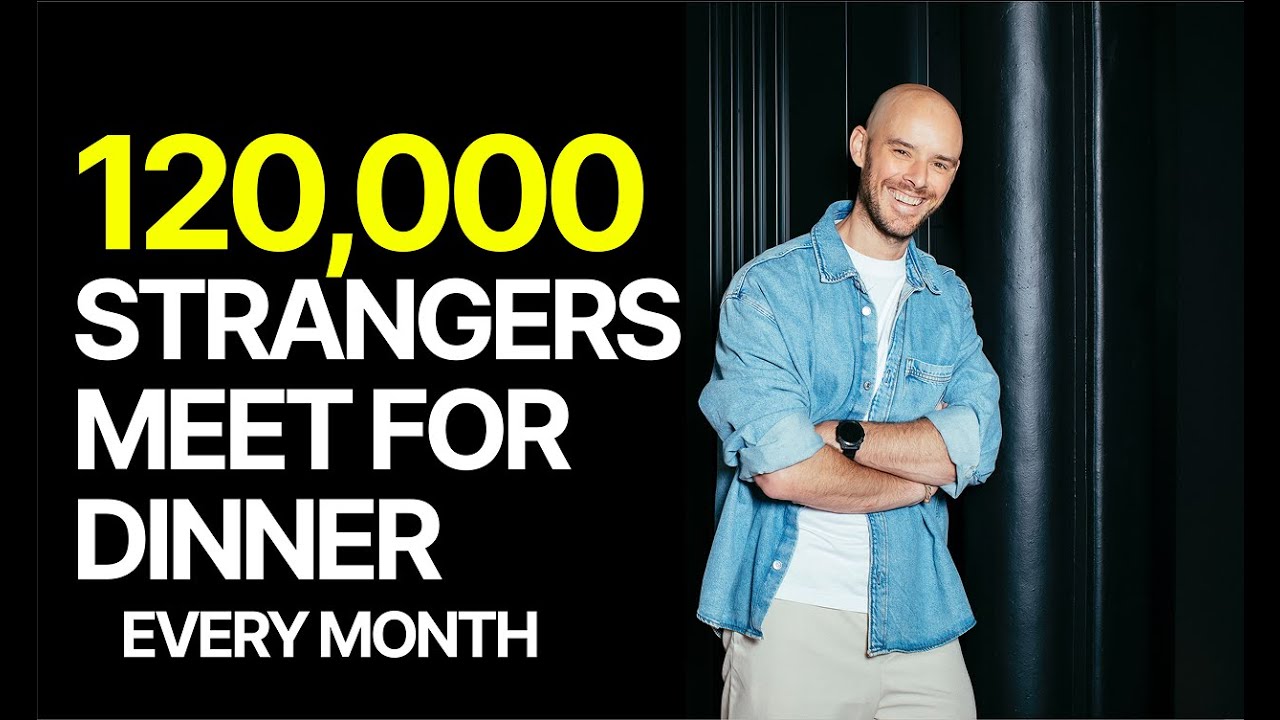
$16M Net ARR In Just Two Years (Maxime Barbier, Timeleft)
Aug 1, 2025 · 43:00
Maxime Barbier, co-founder of Timeleft, explains how his company that hosts dinners for strangers scaled from zero revenue to $16M net ARR in just two years by focusing on in-person connection amid a loneliness epidemic. After three years of failing with different concepts, Timeleft launched in May 2023 with 24 people in one city; today it serves 120,000 strangers monthly across 260 cities in 50 countries. Barbier attributes growth to performance marketing (40% of business is US) and a profitable acquisition model, avoiding 'empty calories' by ensuring users return. He details operational challenges of coordinating 30,000 dinners in 2,500 restaurants on a single Wednesday, and the expansion into new events like Thursday bar drinks and Saturday runs. Barbier also shares his views on why dating apps are declining (citing Bumble's share price drop from $62 to $6.50), arguing they create an illusion of choice and an 'Amazon Prime effect' that undermines real connection. The episode covers trends like tech as a new social frontier, friendship as the new dating, and the fall of dating apps.
Powered by PodHood